Reviewed · SINTRA
19th Century Photography Experience
You don’t just get a souvenir. You get a wet-plate tintype portrait made using the 1850s collodion process, plus you see the dark-room development happen step-by-step. I like that it’s a private session with hosts who explain the method clearly, and that you leave with a tangible, one-of-a-kind image instead of a generic photo print. The main drawback is simple: it isn’t wheelchair accessible.
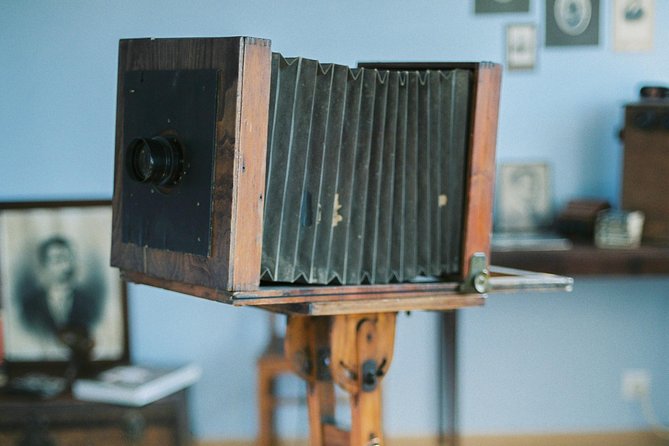
This is held at FIVE HISTORIC PHOTOGRAPHY STUDIO in Sintra, a place set up with antique cameras, period furniture, and 19th-century photography references. You also get to choose from three different tintype sizes and use period clothing and props to help your portrait feel like it belongs in the 19th century.
One practical thing to plan for: the aluminium plate is ready about one hour after the shoot starts, so you may need to return for pickup. The good news is that the development is shown during your visit, under safe red light, so you still get the full “time travel” moment even if you collect later.
In This Review
- Key things I’d want you to notice first
- Why 19th-Century Tintypes Feel Especially Right in Sintra
- Five Historic Photography Studio: Antique Set, Period Furniture, and Real Tools
- How Wet-Plate Collodion Works: From Setup to a Real Exposure
- Choosing Your Tintype Size and Getting Dressed for the Era
- The Dark Room Moment: Watching Development Under Safe Red Light
- What You’ll Take Home (and How to Care for It)
- Price and Value: Is $48.06 Worth It?
- How Long It Takes and How to Fit It Into Your Day
- Who Should Book This Tintype Session (and Who Should Think Twice)
- Practical Tips to Get the Best Results
- Should You Book This 19th-Century Photography Experience in Sintra?
- FAQ
- How long is the 19th-Century Photography Experience?
- Is this experience private?
- When can I collect my tintype plates?
- Does the price include digital copies?
- Is the experience wheelchair accessible?
- Is it suitable for young children?
Key things I’d want you to notice first
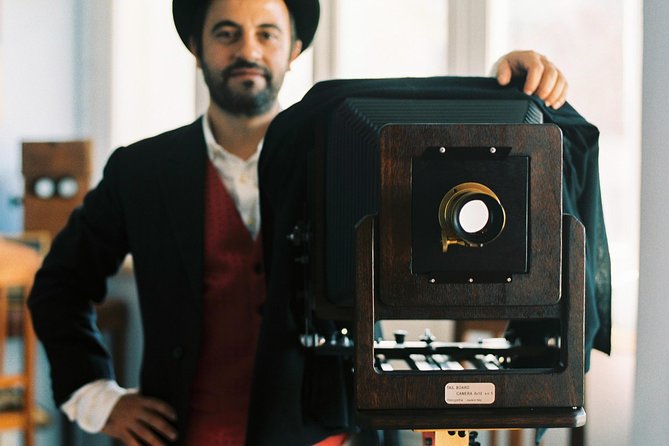
- Wet-plate collodion (invented in 1851): you’re using one of the oldest portrait photography processes still practiced today.
- Private session: only your group participates, so you can move at a relaxed pace for posing and questions.
- Dark-room watch-and-learn: you’ll see the full development process in a controlled setting under red light.
- Three tintype sizes: you can pick the size that fits how you want your memento to look.
- Period props are part of the fun: clothing and accessories are available on site (optional to use).
Why 19th-Century Tintypes Feel Especially Right in Sintra
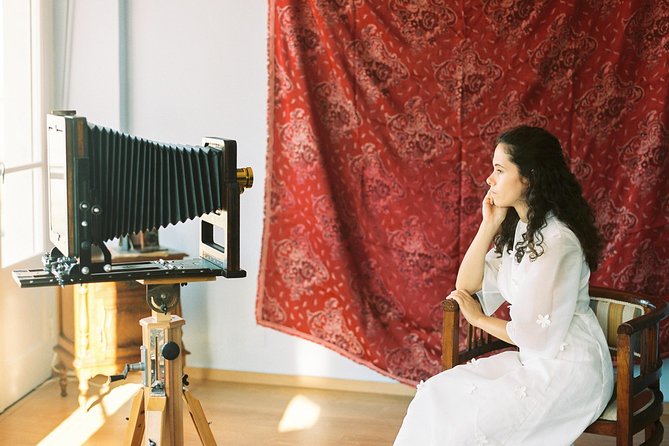
Sintra already lives in a world of old-world details—palaces, gardens, and historic corners. A wet-plate portrait fits that vibe because the whole experience leans into craft, not speed. Instead of a modern selfie-style session, you’re working with a process that demands patience and attention.
What makes it satisfying is the end result. A tintype isn’t a copy you can endlessly reproduce; it’s a physical photographic object created through a chemical workflow. That means your final piece feels earned, and it has a look that’s genuinely different from standard digital images.
Also, Sintra can tempt you into long sightseeing days with lots of walking. This kind of stop is a change of pace: short, focused, and indoors, with a clear start and finish. If you want one memorable “story” from your trip, this is a strong candidate.
Come home with the photos, more Sintra shoots.
- 19th Century Photography Experience
★ 5.0 · 17 reviews - Sintra – Cascais Private Tour with Photos 🙂
★ 5.0 · 9 reviews
Five Historic Photography Studio: Antique Set, Period Furniture, and Real Tools
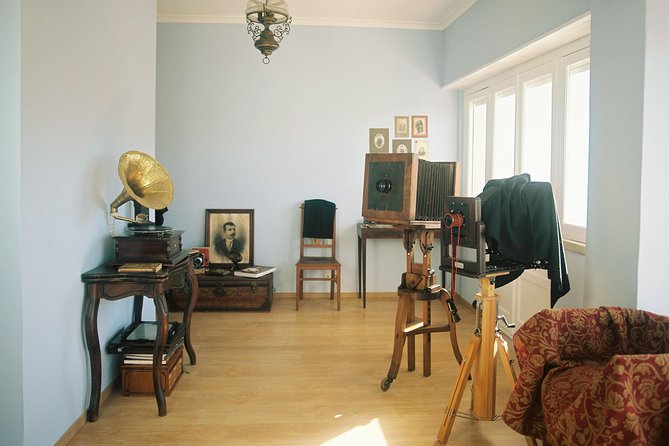
Your experience begins at FIVE HISTORIC PHOTOGRAPHY STUDIO, where you’ll be in a space prepared for 19th-century photography. The studio includes antique cameras, period-style furniture, and relevant literature about how photography worked back then.
I like this setup because it helps you understand what you’re doing. When the room already looks like the era, you’re not mentally translating everything while someone explains it. You can focus on the method itself, and that makes the whole session feel coherent.
This is a private activity, so you won’t be squeezed into a crowded group schedule. For many people, that makes a difference with anything involving posing and hands-on explanations, since you can ask questions without feeling rushed.
How Wet-Plate Collodion Works: From Setup to a Real Exposure
The portrait is made using the wet plate collodion process associated with Frederick Scott Archer’s 1851 invention. In plain terms, you’re using a photographic workflow where the plate and chemistry are handled in a way that requires careful timing. That’s a big part of why this technique still feels “authentic”—it’s not point-and-shoot photography.
You’ll start with an introduction to the 19th-century method and how the collodion process works. Then the host guides you through creating your portrait. This includes using period clothing and accessories, if you want them.
One detail you should take seriously is exposure time. The process can require exposure that goes up to 10 seconds, and that affects comfort and suitability. If you’re thinking about bringing children, plan carefully—more on that in the booking advice later.
During the session, the emphasis stays on the craft. You’re not just getting positioned; you’re learning why the process looks and feels the way it does. That’s part of the value: you come away with a story you actually understand, not just a picture.
Choosing Your Tintype Size and Getting Dressed for the Era
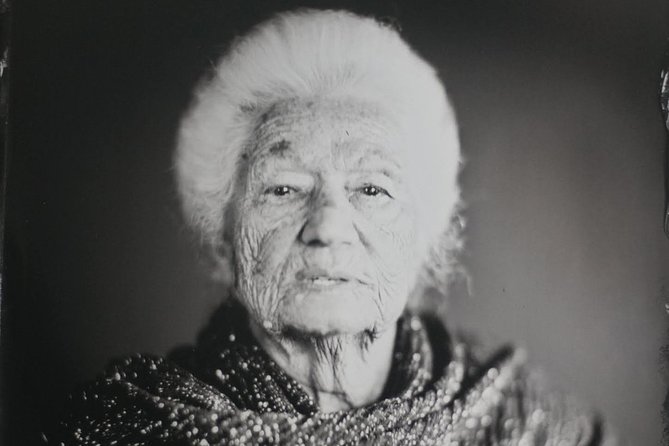
You’ll be able to choose from three different sizes for your tintype portrait. That choice matters more than you might think. A larger tintype can look more dramatic and presentable in a frame or display box, while a smaller size can feel easier to store and handle.
You also have options for styling. Period clothing and props are available for the portrait session, and it’s optional whether you use them. I especially like this because it turns the portrait into a mini performance, and not in a cheesy way. You can lean into the era with hats, accessories, and outfits that already match the look.
If you have a specific outfit in mind, it’s worth bringing it. One of the strongest pieces of feedback from past participants is that they used their own clothing alongside what the studio provides, and it made the final result feel more personal. Either way, the host will set you up so you don’t have to guess what works.
The Dark Room Moment: Watching Development Under Safe Red Light
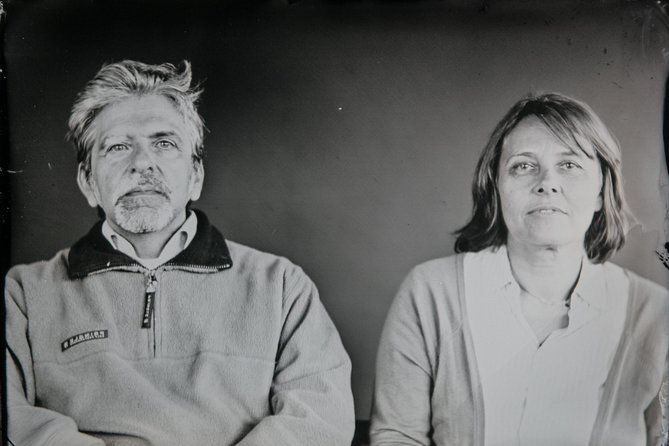
This is where the experience turns from interesting to memorable. You follow the host to the laboratory/dark-room and witness the development process under safe red light. That matters because you’re seeing what normally stays invisible in modern photography.
The payoff is timing. As the chemistry works, the image becomes visible in the dark-room workflow, and the “reveal” happens fast enough to feel almost magical—without being vague. The experience is designed so you can see the negative photo come to life quickly.
I also like that you’re not left out of the action. You’re guided through what’s happening and why, which gives the process meaning. Many photography activities only let you pose and then show you a finished result. Here, you watch the transformation process in real time.
There’s a practical follow-through, too. You don’t necessarily take the plate immediately. The aluminium tintype plates are ready to take about one hour after the shoot starts, so development happens during the session, while pickup aligns with the preparation time. If you build your day around that, it feels smooth rather than rushed.
- Sintra: Pena Palace and Park Entrance Ticket★ 4.2 · 17,410 reviews
- Lisbon: Sintra, Pena Palace, Cabo da Roca, & Cascais Tour★ 4.9 · 3,509 reviews
- Quinta da Regaleira Skip-the-Ticket-Line Entry & Audioguide★ 4.2 · 3,316 reviews
- From Lisbon: Sintra & Cascais Small Group Tour with Tickets★ 4.8 · 2,224 reviews
- Sintra: Quinta da Regaleira Entry Tickets with Host★ 4.2 · 2,000 reviews
What You’ll Take Home (and How to Care for It)
The included part is clear and satisfying: you get a tintype/portrait taken by the host. It’s not a distant promise or a vague memory; you’ll have a physical photographic object made with the collodion process.
You also receive guidance on how to care for it. That’s important because tintypes are physical artifacts. Handling and storage affect how long the image stays looking good, and the studio gives you direction so you don’t have to guess.
Many people also receive the tintype in a nice protective box. I love that detail because it makes the memento easier to keep safe and easier to display when you want to remember it later.
If you’re hoping for extra digital convenience, note that digital copies aren’t included. Digital copies cost €5.00 per booking, so think of that as optional add-on value if you want a backup for sharing.
Price and Value: Is $48.06 Worth It?
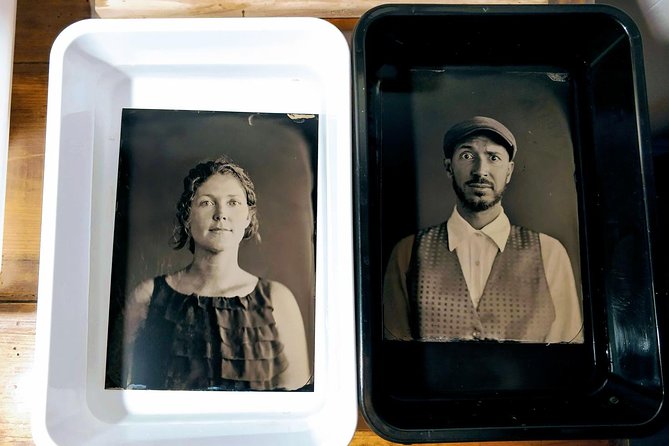
At about $48.06 per person, this isn’t a bargain-style activity. It also isn’t a high-end luxury price tag. The key question is value: what you’re paying for is time, craft, and a process that can’t be faked by a modern printer.
You’re not just getting a photo. You’re getting:
- a private portrait session,
- an explanation of the 1850s collodion process,
- hands-on visibility into development in the dark room,
- access to period clothing and props (optional),
- and a physical tintype as the end product.
That package is why the price feels fair. Modern photo experiences usually focus on speed and volume. Here, the workflow is more labor-intensive and time-sensitive, and you witness the work as it happens. For many people, that makes the cost feel justified because you’re buying the story behind the object, not just the object.
If you’re the type who likes historical crafts and wants one memorable, different souvenir, this is a strong value decision. If you only want quick photos without caring about process, the price may feel less “worth it.”
How Long It Takes and How to Fit It Into Your Day
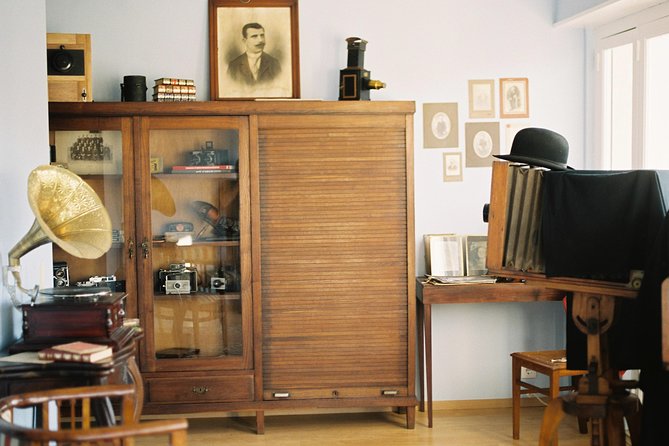
The experience lasts about 1 hour. That sounds short, but remember there’s a built-in rhythm: you pose for the exposure, then you watch the development workflow under safe red light, and then the tintype plate is ready about one hour after the shoot starts for pickup.
That timing is worth planning around. If you schedule another activity immediately after, you might feel rushed during plate pickup. If possible, leave a little flexibility in your afternoon or early evening so the “one-hour ready” step doesn’t become a hassle.
The experience uses a mobile ticket, and confirmation is received at booking time. It’s also offered in English, which helps you follow what’s happening during the chemical process and explanations.
Who Should Book This Tintype Session (and Who Should Think Twice)
This is best for you if you want:
- a hands-on, process-based photography experience,
- a physical souvenir with real period character,
- and a short activity that feels educational without turning into a lecture.
It’s also a good fit for couples, small groups, and anyone who likes learning craft details. The private format helps you keep your questions going and move at your own pace.
Think twice if you’re traveling with young children. It isn’t recommended for children under 6 because the exposure time can be up to 10 seconds. Even if a child is excited, holding steady matters more in this process than in a quick modern portrait.
Finally, keep the accessibility reality in mind. It’s not wheelchair accessible, so plan an alternative if mobility needs are part of your travel equation. Service animals are allowed, and it’s near public transportation, which can simplify getting there.
Practical Tips to Get the Best Results
You’ll do better if you prepare for the process rhythm. For tintype portraits, posing still is part of the deal, so choose a moment when you can be calm and ready to hold your position.
Wear something comfortable that you can manage for a short pose session. If you’re using the studio’s period clothing, it helps to communicate how you want to feel in it before the host starts. Hosts have the experience to fit you into the right look, but it’s still easier when you’re not rushed.
Bring your questions. The experience includes an introduction to the collodion process and a walk through development, so ask about the steps you notice. If you like photography history, this is the kind of activity where questions make it more fun, not less.
And if you’re planning to use a specific outfit, plan that ahead. One of the best ideas is using your own clothing for added personal meaning, paired with what’s available in the studio.
Should You Book This 19th-Century Photography Experience in Sintra?
Book it if you want a souvenir that feels genuinely different: a wet-plate collodion tintype with a dark-room reveal and a physical keepsake you’ll want to keep. The private session and the focus on witnessing development are the big reasons people love it, because you’re not just observing history in theory—you’re watching it happen.
Skip it (or reconsider) if you need wheelchair accessibility, or if you’re traveling with very young children who may struggle with longer exposure time. Also reconsider if you only want quick, low-effort photos with no interest in the process.
If your trip to Sintra includes time for one memorable indoor craft experience, this one is a smart pick. It’s short, focused, and the final result looks like it belongs in the 1800s because it was made that way.
FAQ
How long is the 19th-Century Photography Experience?
It lasts about 1 hour (approx.).
Is this experience private?
Yes. It’s a private tour/activity, so only your group participates.
When can I collect my tintype plates?
The aluminium plates are ready to take one hour after the shoot starts.
Does the price include digital copies?
No. Digital copies of the photograph cost €5.00 per booking.
Is the experience wheelchair accessible?
No, it is not wheelchair accessible.
Is it suitable for young children?
It is not recommended for children under 6 years old because the exposure time can be up to 10 seconds.