
Reviewed · CENTRAL PORTUGAL: FáTIMA, ÓBIDOS & NAZARé
3 Tours Private / Tour SINTRA Second Day Tour FÁTIMA Third day Tour LISBON
Sintra, Fátima, Lisbon in three days. This private 3-day loop is built around big, memorable places: Sintra’s UNESCO palaces, Fátima’s pilgrimage heart, and Lisbon’s Manueline-era landmarks and viewpoints. I like that you start at 09:00 in Lisbon with door-to-door service to your accommodation, and I also like the feel of a real guide team—people like Margarida (great at adjusting for slower walkers) and Filipe (strong Portuguese history focus) set the tone.
One thing to keep in mind: tickets and entry fees are not included, and you’ll need to plan meals on your own. With a lot packed into 3 days, good footwear and a flexible mindset matter.
In This Review
- Key points at a glance
- Sintra Palaces, Moorish Walls, and Regaleira’s Mysteries
- Fátima’s Valinhos Route and the Sanctuary Sites That Set the Mood
- Lisbon, Belém Tower, and the Viewpoints That Give You the Big Picture
- How the Private Guide and Flexible Timing Changes the Trip
- Tickets, Food, and What to Pack for This 3-Day Route
- Price, Booking Timing, and Whether It’s Worth It
- Should You Book This 3-Day Sintra, Fátima, and Lisbon Tour?
- FAQ
- What is the total duration of the tour?
- Where does the tour start and what is the end point?
- Is pickup offered?
- Is this tour private?
- What’s included in the price?
- Are tickets included?
- Are meals included?
- Is there Wi‑Fi on board?
- Can I cancel for a full refund?
- How far in advance is this tour commonly booked?
Key points at a glance
- Private transport that reduces hassle: air-conditioned vehicle, Wi‑Fi on board, bottled water, and pickup offered.
- Sintra hits the big hitters: Moorish Castle, Pena Palace, the historic center, Quinta da Regaleira, and more.
- Fátima includes both sites and context: Valinhos (Via-Sacra route) plus multiple sanctuary basilicas and chapels.
- Belém + Lisbon in one day: Jerónimos Monastery, Belém Tower, Pastéis de Belém area, viewpoints, and major squares.
- Time is flexible with your driver: you can slow down or speed up within a day’s schedule.
- Guide personalization is real: history depth and pacing adjustments are part of the experience.
Sintra Palaces, Moorish Walls, and Regaleira’s Mysteries
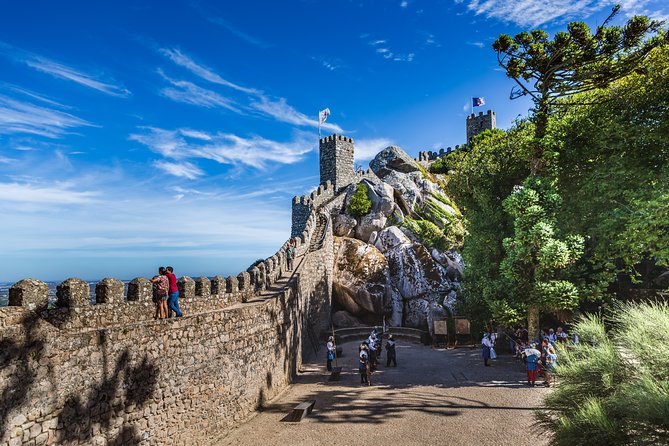
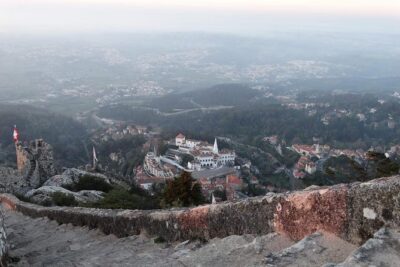
Day 1 is a full Sintra sampler, designed for maximum “wow” without you needing to figure out transit between sites. You leave Lisbon at 09:00 and start with Moorish Castle, a strategic place that hugs the two Sintra mountain ranges. Even if you’re not a “castle person,” it’s worth stepping into the story here: the fortress dates to the early Moorish period, then was taken by Portugal’s first king, D. Afonso Henriques, in 1147. You also get little visual payoffs like the Moorish cistern inside and the so-called Royal Tower.
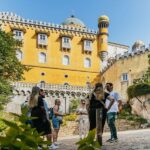
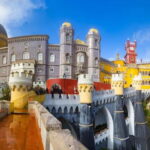
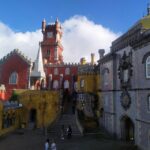
Next up is Park and National Palace of Pena—Sintra’s most famous fairy-tale silhouette. The palace sits on Monte da Pena and was built on the site of an earlier monastery. It’s Romantic-era Portugal turned into architecture, commissioned by D. Fernando de Saxe Coburg-Gotha (the husband of Dona Maria II) after the royal family fell for Sintra. You’ll also appreciate the practical angle: the terrace-style restaurant setup nearby means you can plan a break with views, but you’ll still want to confirm opening times and plan for tickets since admission isn’t included.
After that, you move into the Centro Histórico de Sintra. This is the part that feels like the real town, not just postcards. The historic center is UNESCO-classified, and the walking is easier than the palace climbs. It’s a good place to reset—grab water, check your bearings, and let the day rhythm settle.
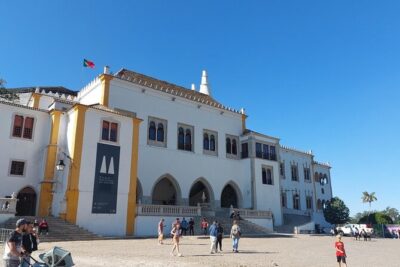
The Sintra National Palace is another “must” for first-timers. It’s unique among Portugal’s royal medieval palaces and is the most distinguished building in the village. You’ll want to budget time for the interior because it’s a history lesson dressed as decor: the building you see today was driven by Dom João I, then enriched by Dom Manuel I with added wings and decorative character. The combination of styles is exactly why this palace feels different from typical royal sites.
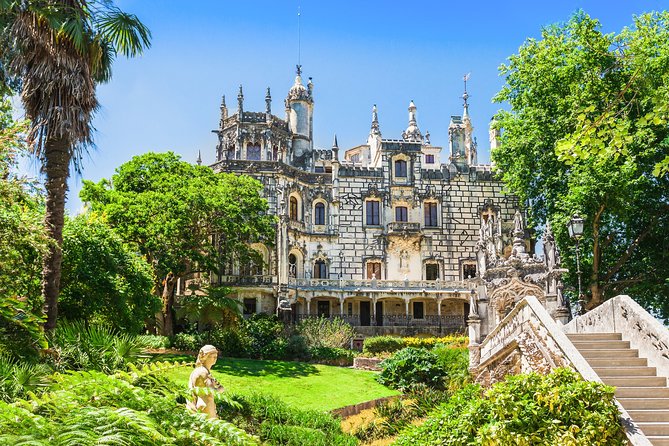
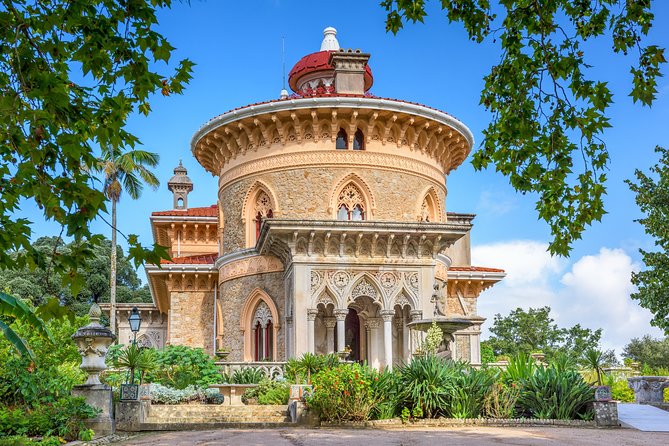
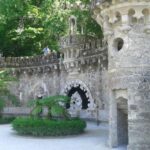
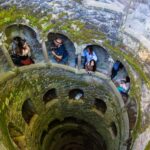
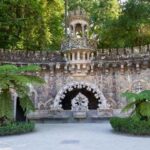
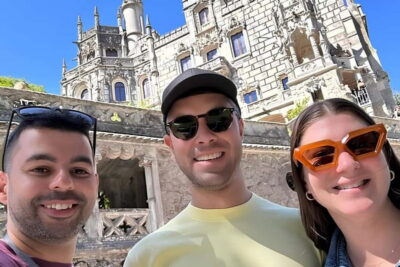
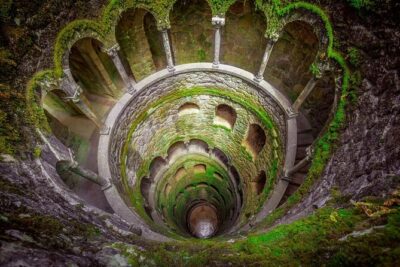
Then comes Quinta da Regaleira, close to the historic center and one of the most enigmatic stops in Sintra. It was built in the early 20th century by millionaire Antonio Augusto Carvalho Monteiro with architect Luigi Manini. The palace is romantic revival style, mixing Gothic, Manueline, and Renaissance references, plus esoteric symbolism. If you like playful design and curious symbolism, this is where the day turns from “famous places” into “I’ll remember this feeling.”
A quick reality check: your Day 1 is packed with multiple major sights. You’ll want comfortable shoes, and you should expect some uphill walking. Also, because tickets aren’t included, bring a ticketing plan (or budget for multiple entries) before you go.
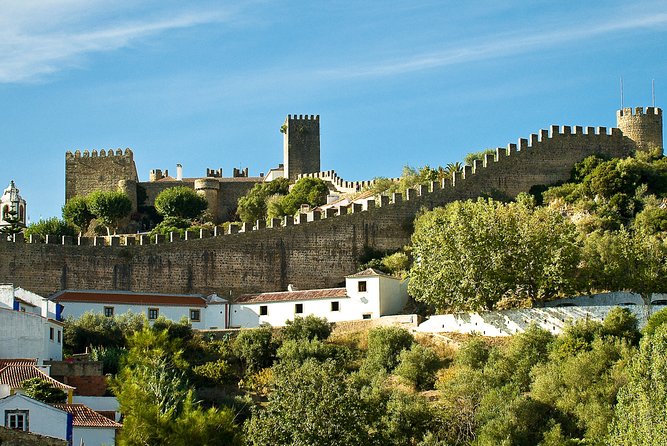
Further afield to Fatima, walled Obidos and the Nazare waves.
- Best Fátima, Óbidos, Nazaré & Batalha Tour From Lisbon
★ 5.0 · 18 reviews - Fátima & Óbidos Private Tour (Includes Batalha & Nazaré)
★ 5.0 · 10 reviews - From Lisbon: Nazare and Sintra Private Tour
★ 5.0 · 9 reviews - Fátima & Shepherd’s Village – Faith, History & Emotion
★ 5.0 · 4 reviews
Fátima’s Valinhos Route and the Sanctuary Sites That Set the Mood
Day 2 shifts from royal showpieces to pilgrimage atmosphere, and it’s a different kind of experience. It starts in Valinhos, where thousands of pilgrims follow the Via-Sacra route toward the Hungarian Calvary. The route includes stops like the Chapel of St. Stephen of Hungary, then you continue toward Aljustrel to visit the House of Lucy and the House of Francis and Jacinta Marto. Even if you don’t keep track of every chapel name, you’ll feel the structure of the pilgrimage path.
Valinhos also includes stations of the Via-Sacra and sculptures such as the Angel of Portugal. The important detail here is that this isn’t just a single photo spot—it’s a route with a rhythm. If you like thoughtful pacing, this part of the day feels satisfying because you can walk at your own speed while still covering major points.
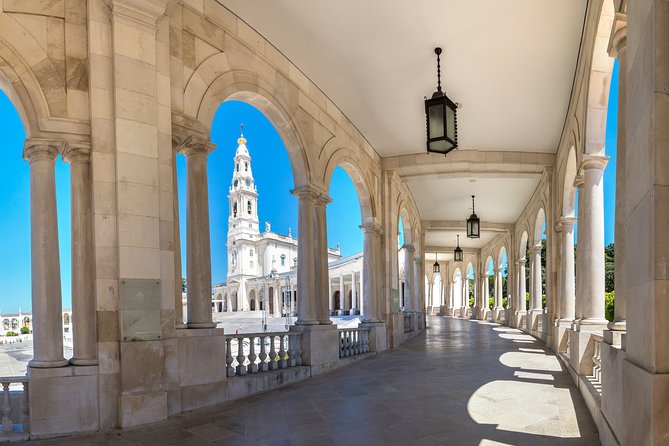
Then you head to the Sanctuary complex for the Basilica of the Holy Trinity. This modern, round, white building sits within the sanctuary area, and it’s free to visit. It was inaugurated in 2007 but planned since 1973, basically because earlier church capacity wasn’t enough for average pilgrimage turnout. The scale is the hook: 125 meters in diameter, with no intermediate support. In plain terms, it’s one of those buildings that makes you look up and then look around—hard to fake that reaction.
After that, you visit Capela das Aparições, built in 1919 by local people in response to Our Lady’s request during the apparitions. The first mass was held there in 1921. The chapel is modest in size and retains a rough design similar to a simple hermitage. There’s also a specific connection to the location: the image of Our Lady marks the spot of the holm-oak tree where the apparitions were said to happen. The original tree disappeared over time as believers took pieces, so the marking becomes part of the story. This is a stop where quiet matters.
Finally, you visit the Basilica of Nossa Senhora do Rosário de Fátima (often called the Basilica of the Rosary). Like the other sanctuary sites, it’s free and fits into the broader Cova da Iria setting.
Practical tip: plan for a day that can involve standing and walking, even if you move slower with the group. The experience is powerful, but it’s still physical. If you have mobility concerns, a guide who can flex pacing—like Margarida was praised for doing—can make a real difference.
Lisbon, Belém Tower, and the Viewpoints That Give You the Big Picture
Day 3 is a long Lisbon day, and it’s structured well: you start in Belém, then work your way back through central Lisbon, finishing with major viewpoints. The trick is managing how much you want to see inside vs. how much you want to absorb outside.
You begin at Mosteiro dos Jerónimos. This monastery is a peak example of Manueline architecture along the Tagus. The site started as a small hermitage dedicated to Santa Maria in 1452, built by Infante D. Henrique. Then in the early 1500s, King Manuel I’s plan was approved by the Holy See for a larger monastery for the Order of the Friars of St. Jerome. If you like architecture, it’s a strong anchor because it’s closely tied to the Portuguese Discoveries. Expect that this is one of the stops where time matters—spend a bit longer and you’ll see more.
Next is Torre de Belém, the famous tower that looks like a jewel and also acts like a fortress. It was ordered by King Manuel I and built by Francisco de Arruda between 1514 and 1521. It originally sat on a basalt island near the right bank, in front of Restelo beach. Over time, changes in the river’s course effectively left it swallowed by the bank. This is one of those details that helps you understand why the tower feels both iconic and slightly off-balance compared with modern expectations of the coastline.
Then you’re in the neighborhood for Pastéis de Belém. The story here is surprisingly human: in the early 19th century, there was a sugar cane refinery and a small shop attached to the monastery complex by Jerónimos. After the liberal revolution, convents and monasteries were shut down in 1834 and clergy and workers were expelled. As a survival move, someone started selling sweet pastries, and they became known as Pastéis de Belém. The important practical takeaway: if you’re heading for pastries, treat it like a timed stop—don’t let it eat your entire schedule if you still want the viewpoints later.
From there, you visit Padrão dos Descobrimentos, the Monument to the Discoveries on the riverside. It was designed in 1940 to commemorate an exposition linked to the Portuguese World, but it was only built in 1960 for 500-year commemorations tied to Prince Henry the Navigator’s death. It’s not just decorative. It helps you connect the “Discoveries” theme from Jerónimos into something visible from the water.
Then comes Parque Eduardo VII, a garden with panoramic views over Lisbon. It lies north from Avenida da Liberdade. The park used to be called Parque da Liberdade, then it was renamed Parque Eduardo VII after the British king Edward VII visit in 1903. This is where you get a calmer pace and a bigger perspective before the city monuments and squares.
Later you reach Rossio Square, one of the key downtown intersections. It was rebuilt after the 1755 earthquake and sits in the Pombaline Downtown area. The square’s geometry and the D. Maria II Theatre anchor the vibe. It’s a good spot to orient yourself—mentally map where you are before more climbing and looking.
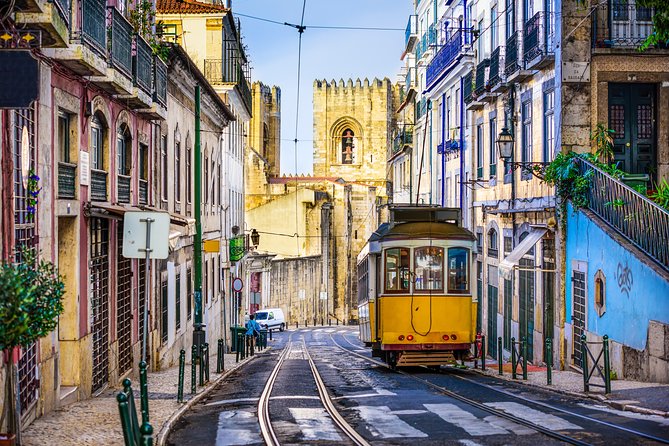
Next is Lisbon Cathedral (Sé Catedral de Lisboa), dedicated to the Mother of God since 1147. The construction began after D. Afonso Henriques reconquered the city from the Moors, and the cathedral was built on top of a Muslim mosque. Excavations even suggest an earlier Visigothic Christian temple underneath. This layering is the Lisbon story in one building: power changes hands, but the stones stay.
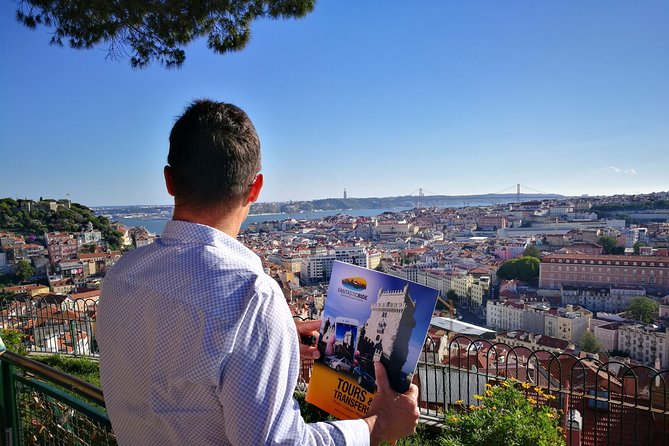
After the cathedral, you hit the viewpoint sequence, which is where Lisbon feels like Lisbon. Mirador de Santa Luzia gives you a wide view over Alfama and the Tagus River, with key landmarks you can spot from left to right: the dome of Santa Engrácia, the Church of Santo Estêvão, and the two white towers of São Miguel. There are also tile panels along the south wall showing scenes like Praça do Comércio before the earthquake and a depiction of Christians attacking the Castle of St. George. If you like “see it, then understand it,” this is a great stop.
The day ends with Miradouro da Senhora do Monte in São Vicente (Graça). This belvedere is known for wide views south toward the estuary of the Tagus and the Castle of São Jorge, west toward the Baixa and Bairro Alto areas, and north across the Avenida Almirante Reis valley. Near the viewpoint is the Chapel of Our Lady of the Mount, founded in 1147 and consecrated to St. Gens. There’s also tradition that D. Afonso Henriques set up a camp here during the conquest. Even if you don’t follow the story, you’ll feel why this spot became a viewing place.
One caution: Day 3 packs a lot into a single day, and several stops involve stepping out of the vehicle, walking a bit, and looking around. If you’re traveling with someone who tires easily, ask your driver to use the flexibility to cut back where needed.
How the Private Guide and Flexible Timing Changes the Trip
This is a private tour, so you’re not stuck with a “one-size schedule.” Your vehicle includes air conditioning, Wi‑Fi on board, and mineral water. No restroom is mentioned on board, so treat that as your cue to use breaks at stops.
What matters most is timing. The plan is built around a driver schedule, but the approach is to flex time in each location according to what you want to do. That’s the difference between rushing through palaces and actually enjoying them. If you want photos in Pena Park, you can likely linger. If you’d rather spend more time inside Jerónimos, you can aim for that too. The route stays coherent, but your day doesn’t feel like a factory line.
The guide aspect is also where this tour earns its high marks. People like Margarida are praised for adjusting the tour for guests with walking issues, which can turn a tiring day into a manageable one without losing key sights. Filipe is praised for professional guidance and a strong Portuguese history focus, plus pride in Lisbon. That kind of guide makes the difference between seeing buildings and understanding why they matter.
I also like how the tour doesn’t try to be everything at once in every city. It groups sights by region and theme: Sintra for palaces and castles, Fátima for pilgrimage sites in sequence, and Belém/Lisbon for architecture, riverside landmarks, squares, and viewpoints. It’s efficient, but it also gives each day a mood.
Tickets, Food, and What to Pack for This 3-Day Route
Most big-ticket reality: tickets are not included. That means your budget should cover entries for places like Pena Palace and the Sintra National Palace, plus Mosteiro dos Jerónimos and Torre de Belém on Day 3, and any other charged interiors you choose. The tour also doesn’t include food and drinks. Your vehicle includes bottled water, but you’ll still need to plan lunches and snacks yourself.
That’s not a deal-breaker, but it does affect value. The core value here is private transport and the guided sequencing. If you plan to pay multiple admissions anyway, the tour helps you skip the logistical headache. If you only care about a couple interiors, the tour might feel pricier than you’d like because you’re still paying for the full private route.
For gear, I’d pack:
- Comfortable walking shoes for Sintra and the Lisbon viewpoint stretches.
- A light layer for cooler mornings, especially when you’re starting at 09:00.
- A small bag for water and a snack, since food isn’t part of the included package.
- Charging power for your phone/tablet if you’ll use Wi‑Fi on board.
Also, remember the tour starts in Lisbon and ends at your accommodation in Lisbon. That’s a convenience win. You don’t have to think about how you’ll get back after long days in Sintra and Fátima.
More private Sintra days, just your group.
- Sintra: The Romantic Village – Half-Day Private Guided Tour★ 5.0 · 413 reviews
- Private Half Day Tour to Sintra and Pena Palace from Lisbon★ 5.0 · 240 reviews
- Sintra, Cabo da Roca and Cascais: Full-Day Private Guided Tour★ 5.0 · 218 reviews
- Sintra: Full-Day Private Tour & Pena Palace Entry Option★ 4.8 · 218 reviews
- Sintra: Private Full-Day Sintra, Roca, and Cascais 4×4 Tour★ 5.0 · 176 reviews
Price, Booking Timing, and Whether It’s Worth It
At $581.78 per person for a 3-day private route, you’re paying for comfort, private logistics, and a guide who can shape the pace. This price can feel high if you compare it to public transport. But it makes sense if you value: fewer transfers, door-to-door service, air-conditioned transport, and time that’s flexible instead of fixed to other travelers’ needs.
One clue about demand: it’s commonly booked about 45 days in advance on average. That suggests the best slots sell out, especially in busier travel months. If you’re set on this exact combination—Sintra plus Fátima plus a Belém/Lisbon day—it’s smart to plan ahead rather than hoping.
Where the price could feel less “worth it” is in the add-ons. Tickets and meals aren’t included, so your final cost will creep upward depending on how many interiors you visit and whether you sit down for meals. Still, private transport plus a well-sequenced route can be the difference between a “sightseeing day” and a real trip that feels manageable.
Should You Book This 3-Day Sintra, Fátima, and Lisbon Tour?
Book it if you want a stress-light way to cover three of Portugal’s biggest emotional and architectural hits in one go. Sintra is full-on palaces and castle drama, Fátima gives you a structured pilgrimage day with major sanctuary stops, and Lisbon ends with both classic monuments and wide views that make the city click.
Skip or reconsider if you prefer slower travel with fewer paid entries, or if you’re trying to keep costs ultra-tight. Since tickets and food aren’t included, you’ll want to plan those costs before committing.
If your travel style is: comfortable seats, good guiding, and an itinerary that keeps your time working instead of wasted, this private 3-day route is a strong fit.
FAQ
What is the total duration of the tour?
The tour is approximately 3 days.
Where does the tour start and what is the end point?
Tours start in Lisbon at 09:00 and end back in the same place, at your accommodation in Lisbon.
Is pickup offered?
Yes, pickup is offered.
Is this tour private?
Yes. Only your group participates.
What’s included in the price?
Included are bottled water, an air-conditioned vehicle, private transportation, and Wi‑Fi on board.
Are tickets included?
No. Tickets are not included.
Are meals included?
No. Food and drinks are not included.
Is there Wi‑Fi on board?
Yes, Wi‑Fi is provided on board.
Can I cancel for a full refund?
Yes. Free cancellation is available if you cancel at least 24 hours in advance of the experience start time.
How far in advance is this tour commonly booked?
On average, it’s booked about 45 days in advance.
More Sintra Tours

More Central Portugal Day Trips



More Tour Reviews in Sintra


Not quite this one? Other Sintra tours travellers rate

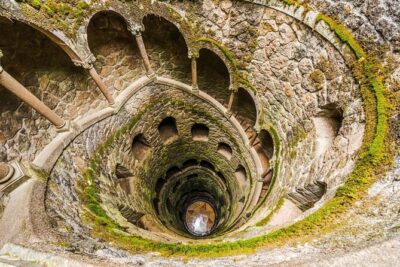
Central Portugal: Fátima, Óbidos & Nazaré, compared.
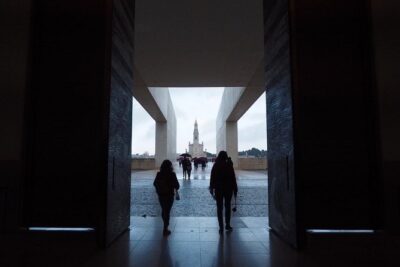 ★ 5.0Best Fátima, Óbidos, Nazaré & Batalha Tour From LisbonFrom $7818 reviews
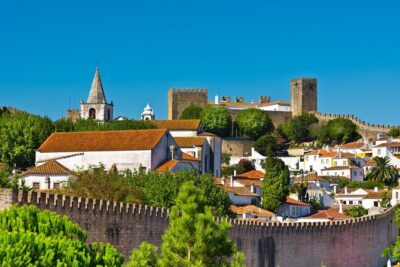 ★ 5.0Fátima & Óbidos Private Tour (Includes Batalha & Nazaré)From $42110 reviews
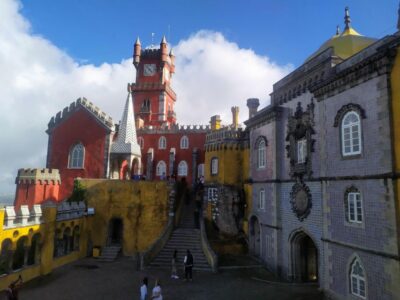 ★ 5.0From Lisbon: Nazare and Sintra Private TourFrom $3839 reviews
 ★ 5.0Fátima & Shepherd’s Village – Faith, History & EmotionFrom $1114 reviews
 ★ 5.0Private Tour to Portugal’s SilverCoast – Nazaré, Óbidos & FátimaFrom $2313 reviews
Browse the lists this tour appears in