
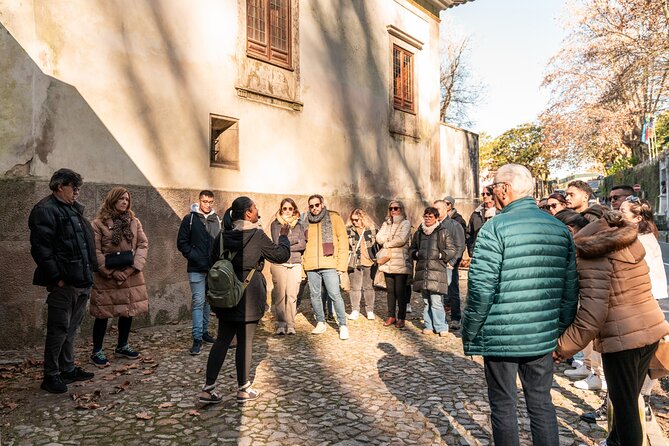
Reviewed · SINTRA NATIONAL PALACE & HISTORIC VILLAGE
Magical Sintra Village Tour
Sintra magic starts with a simple stroll. This 2-hour walking tour links the town’s most famous corners with the kinds of stories that make you see Sintra differently, fast—starting with City Hall and ending at the Seteais gardens with Pena Palace in view on clear days.
I especially like the tight, well-paced route for a short stay, and the English guide storytelling that points out details you’d otherwise walk right by. In the guide lineup, names like Nir, Claudia, Joao, Catalina, Fernando, and Silverster come up again and again for being fun, clear, and able to keep a group moving.
One big consideration: this is mostly an outside-and-quick-look tour. You won’t go inside Palácio Nacional, Palácio Biester, or Quinta da Regaleira—so if you want full interior visits, plan to add those tickets on your own day after.
In This Review
- Key highlights worth your time
- A guided taste of Sintra’s stories in 2 hours 10
- Start at Câmara Municipal de Sintra for instant orientation
- Liberdade Park and Fonte Mourisca: when heritage shows up in stone
- Igreja de São Martinho: symbols and stories without the ticket pressure
- Sintra National Palace exteriors plus the quick pastry payoff
- Piriquita: where Travesseiros become a reason to remember Sintra
- Lawrence Hotel, Palácio Biester, and Pisões Waterfall in one loop
- Quinta da Regaleira and Seteais gardens: romantic architecture without the inside time
- Price and value: why $3.63 can feel like a bargain
- Pace, group size, and what to expect while walking
- Weather, timing, and how to avoid a day-of disappointment
- Should you book the Magical Sintra Village Tour?
Key highlights worth your time
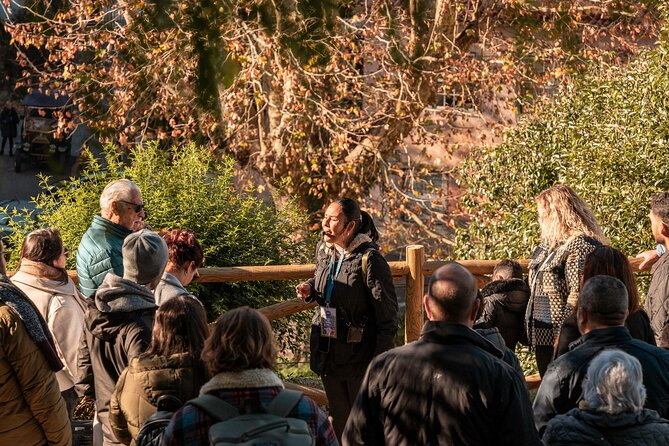
- Start at Câmara Municipal de Sintra for instant context and good orientation
- Moorish and Roman-Arab heritage in easy, walkable stops like Fonte Mourisca
- Photo-and-story stops at churches and palace exteriors instead of ticket lines
- Pastry payoff with Travesseiros and Queijadas moments built in
- Seteais gardens finish with wide views toward the Atlantic and Pena Palace on sunny days
A guided taste of Sintra’s stories in 2 hours 10

This Magical Sintra Village Tour is built for people who want the essentials without spending the whole day buying tickets and deciding where to start. You get an organized sequence of stops, each one tied to an idea: magic legends, Moorish influence, Romantic-era architecture, and the symbolism people keep returning to.
The pace is friendly but still active. You’ll be walking through town and getting short orientation moments at each place, so you come away with a clear map of what Sintra is and why it became such a magnet for artists and royalty.
Twin chimneys and cobbled lanes in the old town below.
- Magical Sintra Village Tour
★ 5.0 · 901 reviews - Sintra: The Romantic Village – Half-Day Private Guided Tour
★ 5.0 · 413 reviews - Sintra Walking Tour: Romantic Village & Palaces
★ 5.0 · 148 reviews - Sintra: The Romantic Village – Private Half-Day Guided Tour
★ 4.9 · 84 reviews
Start at Câmara Municipal de Sintra for instant orientation
You begin at Câmara Municipal de Sintra on Largo Dr. Virgílio Horta. It’s a strong opening because City Hall sits right in the heart of town and gives you a sense of Sintra’s “real life” before you shift into the more theatrical stuff like palaces, fountains, and legends.
From there, the tour uses the surroundings to explain the name Sintra and its long-running reputation for magic and allure. It’s not just trivia—it helps you connect the dots as you move through the rest of the walk, especially when the guide starts linking legends to specific places.
Tip: Arrive a few minutes early so you can settle your group, locate the meeting spot, and start walking without stress.
Liberdade Park and Fonte Mourisca: when heritage shows up in stone
Next you head to Liberdade Park, where the stories tied to figures like Gualdim Pais and the Templars are part of the conversation. Even if you don’t remember every name, this stop works because it frames Sintra as a place where different eras overlap—religious orders, medieval power, and the kind of myths that stick to a town.
Then you reach Fonte Mourisca, the Moorish Fountain. This is a great stop for visual learning: you see how Roman and Arabic heritage connect in a single landmark. It’s also a practical moment in the tour because fountains are easy to pause at—good for photos, and good for letting the guide explain why Sintra’s layers feel so intertwined.
If you like architecture that carries meaning (instead of just looking pretty), this combo is one of the most satisfying early segments.
Igreja de São Martinho: symbols and stories without the ticket pressure
At Igreja de São Martinho, the tour leans into the spiritual side of Sintra—Freemasonry references, echoes of Romanticism, and the idea that the town’s esoteric associations get discussed right alongside its religious landmarks.
Here’s what makes it worthwhile for your time: you get a clear narrative why people talk about symbolism in Sintra, without needing to sit through a long museum experience. The stop is short, and you’re mostly getting an informed look from outside and nearby.
One practical note: because this is a walking tour, you’ll want to stay close to the group during these faster segments so you don’t miss the best explanations.
Sintra National Palace exteriors plus the quick pastry payoff
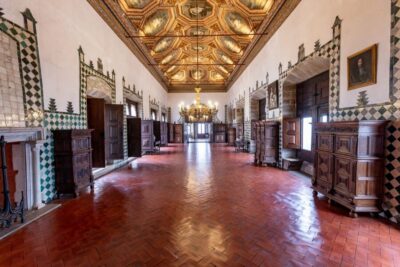
The biggest famous name on the route is Sintra National Palace. Even though you won’t go inside during this tour, you still get enough visual focus to understand why it matters—things like the Magpie Room and the iconic twin chimneys.
The guide also connects it to the larger Sintra world: the Moorish Castle connection, secret-tunnel lore, and the mythical Mountain of the Moon theme. That “bigger picture” is a smart use of your short time. When you later visit an interior site on your own, these references will click.
Then comes a very Sintra move: a quick food moment. You’ll sample Queijadas and Travesseiro, two local pastries people treat like must-do souvenirs you can actually eat.
If you’re the kind of visitor who likes a tour that ends with something edible, you’ll appreciate how the stop is timed. It breaks up walking fatigue and gives your brain an easy anchor point.
- Sintra: Pena Palace and Park Entrance Ticket★ 4.2 · 17,410 reviews
- Lisbon: Sintra, Pena Palace, Cabo da Roca, & Cascais Tour★ 4.9 · 3,509 reviews
- Quinta da Regaleira Skip-the-Ticket-Line Entry & Audioguide★ 4.2 · 3,316 reviews
- From Lisbon: Sintra & Cascais Small Group Tour with Tickets★ 4.8 · 2,224 reviews
- Sintra: Quinta da Regaleira Entry Tickets with Host★ 4.2 · 2,000 reviews
Piriquita: where Travesseiros become a reason to remember Sintra
After the palace stop, you head to Casa Piriquita, an iconic pastry shop known far beyond Sintra for its Travesseiros and Queijadas. The tour doesn’t just point you at the building—it treats pastries as part of the cultural experience.
Piriquita is also ideal for a short guided pause. You can taste, take a breath, and reset before the rest of the walk gets more varied—hotels, palaces, fountains, and a natural stop.
If you’re traveling with food preferences, check in quickly before ordering so you don’t lose time. This tour has short segments, so it helps to know your plan.
Lawrence Hotel, Palácio Biester, and Pisões Waterfall in one loop
The route keeps you from getting stuck in one “type” of sight.
First, you see the Lawrence Hotel, noted as the oldest still-functioning hotel on the Iberian Peninsula, with literary ties including Lord Byron. This stop works because it shifts Sintra from fortress-and-palace to cultural escape. It’s a reminder that artists came here for the same reason people still do: atmosphere.
Then comes Palácio e Parque Biester. You’ll appreciate the exterior and symbolism tied to its stonework, plus the pop-culture link to Polanski’s film The 9th Gate. It’s a fun angle because it gives you a bridge between cinematic references and real-world architecture.
After that, the tour steps toward nature with Fonte dos Pisoes (Pisões Waterfall). This is one of the better breaks in the route because it slows the pace naturally. You get greenery and a calmer pause, which helps if you’ve been outdoors under sun.
Shoes matter here. Even with short stops, Sintra’s streets can feel uneven.
Quinta da Regaleira and Seteais gardens: romantic architecture without the inside time
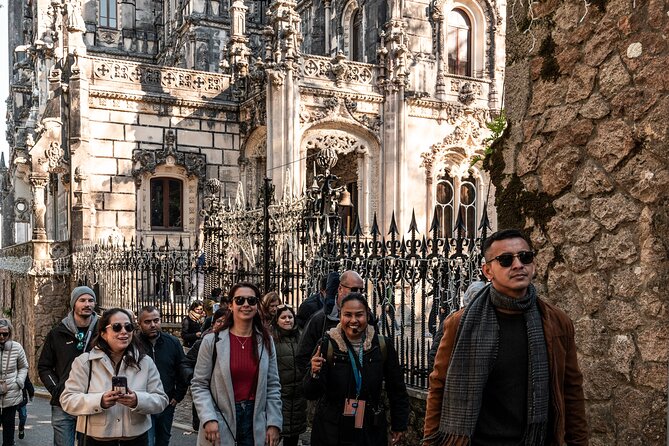
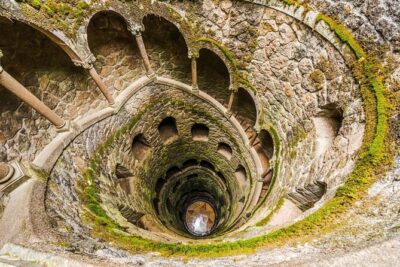
No matter how many times you’ve seen photos of Quinta da Regaleira, the tour’s approach is smart: it frames the place as a total experience of gothic facades, formal gardens, grottoes, and the idea that it connects to freemasonry, the Knights Templar, and alchemical symbolism. You don’t go inside on this tour, but you’re primed for what you’d want to look for if you do visit later.
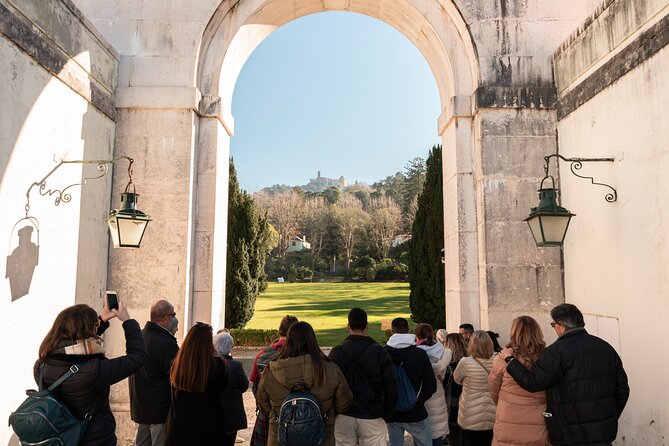
Then the tour finishes at the Valverde Sintra Palácio de Seteais area, specifically the gardens. This is a great end point because the payoff is visual: panoramic views that can reach toward the Atlantic Ocean, plus—on a sunny day—the Pena Palace appears in the background.
That finish matters because you’re not ending in a random street. You’re ending with a view that makes Sintra feel large, even though you just walked a compact route.
Price and value: why $3.63 can feel like a bargain
At $3.63 per person for an English-guided walk that lasts about 2 hours 10 minutes, the value is the big story. Part of why it can be priced so low is that many of the stops are structured around outdoor viewing and free-access areas, with short timed looks rather than full-entry museum time.
But the value isn’t only the price tag. You’re also buying:
- a planned route (you don’t have to guess where to start)
- a guide who explains connections between places and themes
- time-efficient stops that help you choose what to revisit afterward
If your goal is to build a strong “first Sintra day,” this can save you money later. You’ll know what you want to pay for with tickets, rather than buying the first thing you see.
What’s not included is also clear: there’s no private transportation. That means you’re really paying for walking, guiding, and the timed flow through town.
Pace, group size, and what to expect while walking
The tour caps at 25 travelers, which is a sweet spot. It’s big enough to have energy, but small enough that a good guide can still keep everyone together.
The strongest praise from past groups points to guides like Claudia, Nir, Catalina (Cata), Joao, Fernando, and Silverster for keeping the group moving and for giving the right amount of information—enough to make the place click, not so much that it becomes a lecture.
That said, this is a walking tour. One piece of honest guidance from a past booking: if you have mobility issues or a bad back, the pacing and the need to keep up can affect your enjoyment. In that situation, a private tour that can slow down might be a better fit.
If you’re generally healthy, the route is straightforward: you’ll be doing a sequence of short stops, then moving on again.
Weather, timing, and how to avoid a day-of disappointment
This experience requires good weather, and if it’s canceled due to weather, you’re offered a different date or a full refund. That’s the main timing risk you can plan for.
Also, because the tour is short, the exact flow can be sensitive to how quickly groups move and how long people need for bathrooms or pastry breaks. I’d keep your expectations flexible: the tour is designed to be fast and focused, so the “best day” feeling comes when you can stay on schedule.
Quick practical move: check your messages on tour day. Some disruptions can happen close to start time, and you’ll want to know early enough to make other plans.
Should you book the Magical Sintra Village Tour?
I think you should book this tour if you:
- want a short first-day overview of Sintra’s key themes and landmarks
- like guided storytelling that connects Moorish influence, Romantic architecture, and modern cultural references
- want the pastry moment built into the schedule without hunting it down yourself
- prefer an outdoor, walkable format where you can explore further afterward
I’d skip it or upgrade your plan if you:
- only care about interiors and want long ticketed time inside major sights
- have mobility limitations that make walking and keeping a group pace difficult
For most visitors, this is a smart, cost-effective way to get oriented in Sintra and leave with a clear list of what to revisit—while still getting to enjoy the sweetness that makes Sintra famous.
More Sintra Tours




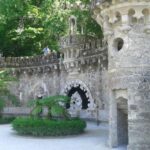

More of the Old Town and Palace





More Tour Reviews in Sintra

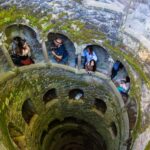


Not quite this one? Other Sintra tours travellers rate
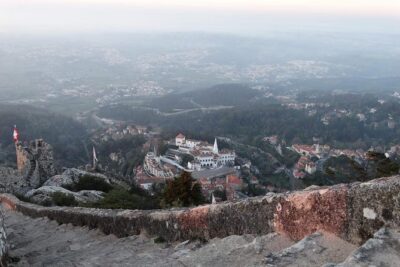



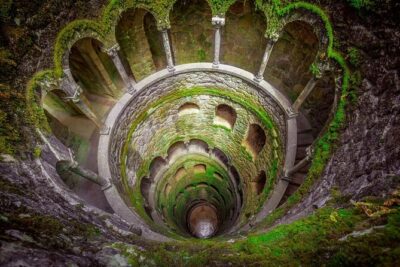
Sintra National Palace & Historic Village, compared.
 ★ 4.3National Palace and Gardens Skip-the-Line TicketFrom $151,144 reviews
 ★ 5.0The Romantic Village – Half-Day Private Guided TourFrom $86413 reviews
 ★ 5.0Sintra Walking Tour: Romantic Village & PalacesFrom $3148 reviews
 ★ 4.9The Romantic Village – Private Half-Day Guided TourFrom $7284 reviews
 ★ 4.9Walking Tour with Palace, Castle, and Old Town VisitFrom $4766 reviews
 ★ 5.0Private: Quinta da Regaleira & Sintra Historic Center Guided TourFrom $8429 reviews
 ★ 3.4National Sintra Palace E-Ticket and Audio GuideFrom $1728 reviews
 ★ 5.0Private Évora Tour – Megaliths, Historical Center and Cork RegionFrom $24016 reviews
Browse the lists this tour appears in