
Reviewed · WINE TOURS
From Sintra, Mafra, or Ericeira: Hike and Wine Tour
Wine and hikes near Lisbon sound made for you. This 5-hour small-group outing mixes Cheleiros wine-country walking with a volcano stop and a hands-on visit to Manzwine. It’s the kind of day that gives you both legs and a palate full of reasons.
I especially like two things: the 7km guided hike through valleys, vineyards, and recovered villages you’d likely miss on your own, and the fact that you don’t just taste wine—you also tour the winery museum and facilities with clear explanations. Plus, in the field, guides like Tiago bring stories that make the route feel personal and fun.
One consideration: it’s a real walk. The day includes a 7km hike and it’s not suitable for wheelchair users or people with mobility impairments, and kids under 10 aren’t recommended.
In This Review
- Key highlights at a glance
- A 5-hour hike-and-wine day trip that starts with Sintra, Mafra, or Ericeira
- Cheleiros and Mata Pequena: real villages, not just photo stops
- Penedo do Lexim: the volcano chimney moment that makes the wine make sense
- Manzwine museum and facilities: how winemaking becomes a story you can taste
- Six wines and local bites: a tasting you can actually follow
- The 7km hike: what to expect, what can slow you down, and what to pack
- Group size, guides, and language options that keep things friendly
- Who should book this hike and wine tour?
- Should you book? My take on the value
- FAQ
- FAQ
- How long is the tour?
- How far do you hike?
- Where is pickup and drop-off available?
- What wine tasting is included?
- What languages are the guides available in?
- Is this tour suitable for kids or wheelchair users?
- Can I get a refund if plans change?
Key highlights at a glance
- Cheleiros wine village walk led by an engaging guide like Tiago
- Mata Pequena village visit, focused on local recovery and rural life
- Penedo do Lexim volcano remains linked to the Lisbon Volcanic Complex
- Manzwine museum + production facilities tour, not just a tasting room
- Six-wine tasting with regional tapas and a plate of local products
A 5-hour hike-and-wine day trip that starts with Sintra, Mafra, or Ericeira
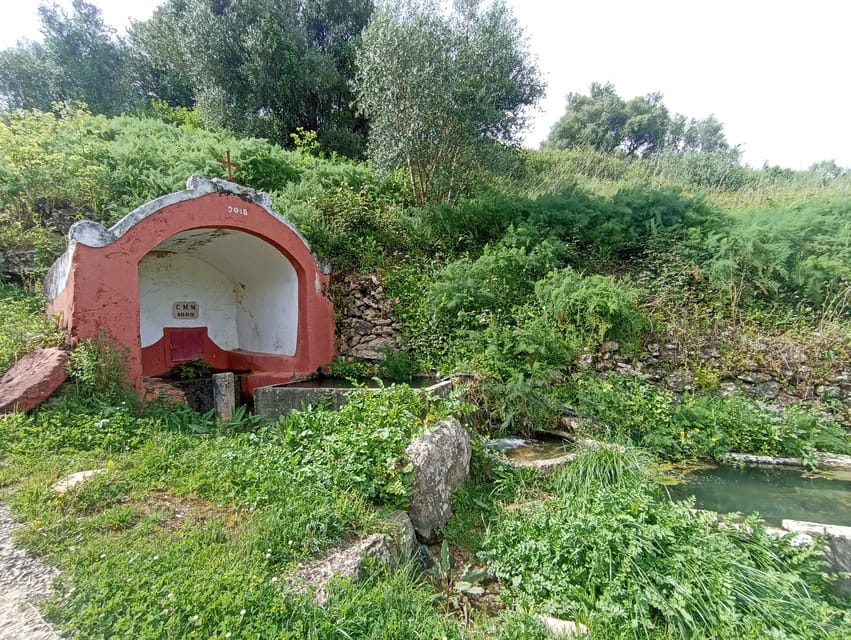
This is designed as a tight, satisfying day out from the Lisbon coast. You’re out for about 5 hours, and you’ll be picked up and dropped off from Sintra, Mafra, or Ericeira, which keeps the planning stress low.
Price-wise, it’s $117 per person for a day that combines three parts: a guided hike, winery touring, and six wines plus local tastings. That matters because many wine experiences either focus on the tasting only (with a short walk) or focus on a hike (with minimal wine time). Here, you get both in one package, and the time with staff at the winery helps the tasting make more sense.
The small group size (limited to 6 participants) is also a practical plus. It keeps the hike from turning into a line march and gives the guide room to answer questions in English, Portuguese, or Spanish.
A glass or two more around Sintra and Colares.
- Lisbon: Arrábida & Sesimbra Tour – Wine, Nature & Beaches
★ 5.0 · 82 reviews - Sintra: Sunset Hike, Tapas & Wine at Secret Beach
★ 5.0 · 29 reviews - Sunset Hike, Tapas & Wine at Secret Beach
★ 5.0 · 28 reviews - Sintra Jeep Adventure – Wine, Food & Freedom
★ 5.0 · 10 reviews
Cheleiros and Mata Pequena: real villages, not just photo stops
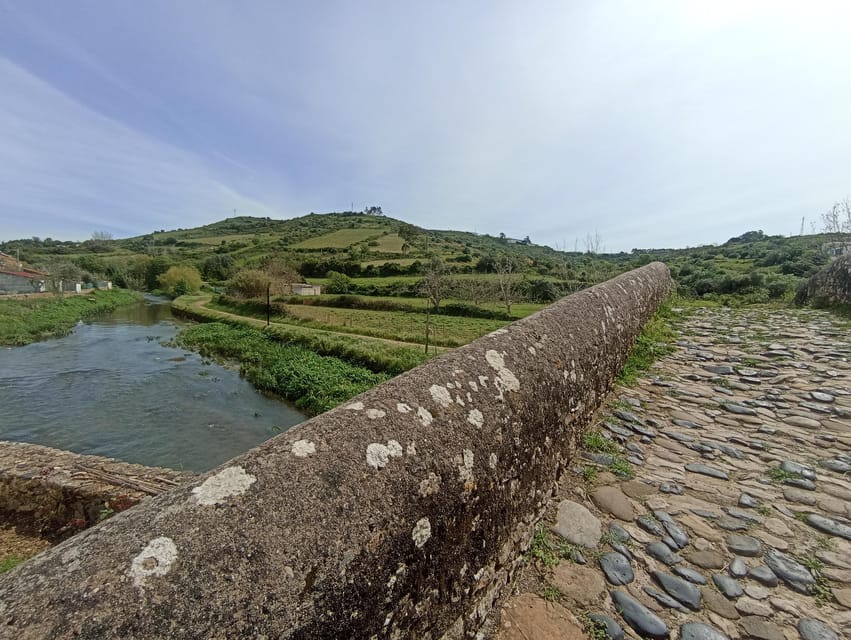
The day centers on the historic wine village of Cheleiros, where you’ll start your experience with a guided walk and a warm welcome that sets a relaxed tone. Cheleiros is the kind of place where the winemaking culture isn’t an add-on. It’s the backdrop.
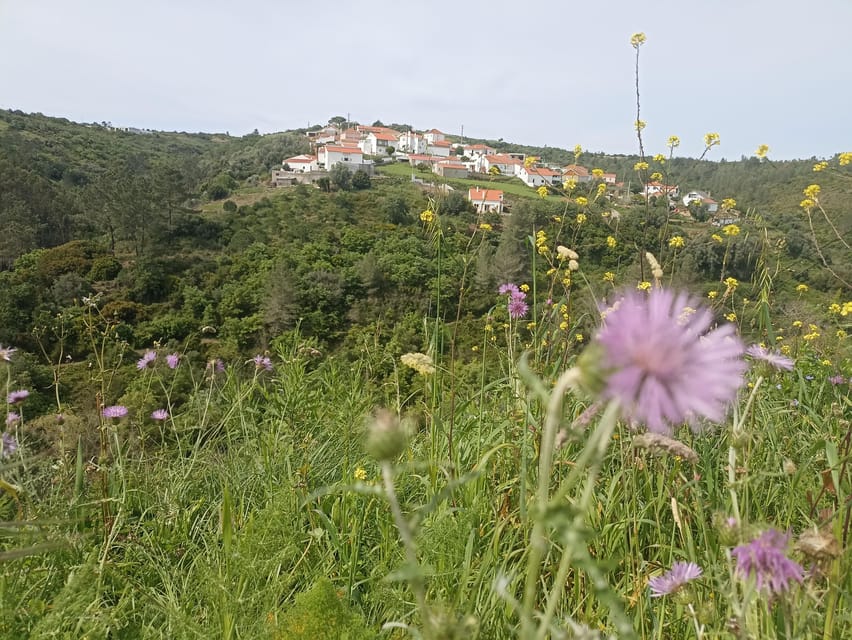
Then you head toward Mata Pequena, described as a recovered village. That phrase is important. Instead of rushing through a pretty set of streets, you learn how the area connects to rural traditions—how people lived and worked, and how that history still ties into what happens in the vineyards.
What I like about this part of the outing is the pacing. This isn’t a marathon hike that leaves you too tired for the winery. You get enough movement to earn your appetite, but also enough stops and stories to make the villages feel lived-in.
Penedo do Lexim: the volcano chimney moment that makes the wine make sense
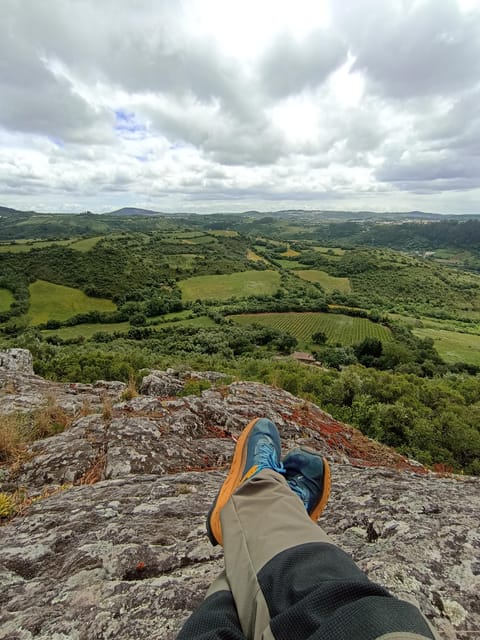
One of the most interesting segments is the stop around Penedo do Lexim, a dramatic geological site connected to the Lisbon Volcanic Complex. You’re walking near the remains of an ancient volcano chimney—so instead of wine being explained only through grapes, you get a physical reason why the wines taste the way they do.
If you’re the type who likes your food and drink with a little science (without it becoming a lecture), this works. Volcanic soils are often credited with adding distinct character to wine, and this stop helps turn that idea from a marketing line into something you can picture under your feet.
This is also where the guided element really matters. A volcano-shaped rock feature is easy to glance at. It’s harder to understand why it connects to viticulture. Your guide is there to connect those dots, and the walking route makes it feel like a natural part of the day rather than a rushed sightseeing detour.
Manzwine museum and facilities: how winemaking becomes a story you can taste
After the walk, you move into Manzwine, where you get a guided tour of the wine museum and production facilities. This part is a major value-add. It’s one thing to learn what grapes are used; it’s another to see how the producer preserves tradition while keeping production practical.
The tour focuses on what makes the region’s winemaking distinctive, including the role of volcanic soil. Even if you don’t memorize every detail, you’ll leave with a clearer idea of what you’re tasting. And that makes the wine tasting feel less random.
Based on how the experience comes across in the guide’s storytelling, the atmosphere stays friendly rather than stiff. Guides like Tiago are described as talkative and upbeat, with explanations that land because they’re connected to the hike you just did. That connection matters: you’re not switching gears from outdoors to an unrelated tasting room. You’re continuing the same narrative—terrain to grapes to glass.
Six wines and local bites: a tasting you can actually follow
The climax for many people is the wine tasting of six wines. What helps most is that the tasting isn’t presented like a blind marathon where you’re supposed to guess everything yourself. You get guided explanations that help you understand what each wine is doing—especially in relation to the volcanic setting you saw earlier.
Alongside the wine, you’ll have regional tapas and a tasting of local products like cheese, olive oil, bread, and similar items. In one highlight, the day ends with a big plate including cheese, sausage, and bread plus additional sides. That’s a practical touch, because it gives your palate something solid to work with instead of leaving you only on wine notes.
If you like tastings where you walk away with a sense of what to order later, this setup is ideal. You’re learning while tasting, and you’re eating along the way, so it stays comfortable instead of turning into a sore-head experience.
No full meal is included, so plan to eat before or after if you’re the type who needs more than cheese and tapas to feel satisfied.
More trails through the Serra de Sintra.
- Sintra: Sunset Hike, Tapas & Wine at Secret Beach★ 5.0 · 29 reviews
- Sunset Hike, Tapas & Wine at Secret Beach★ 5.0 · 28 reviews
- Discover Sintra’s Hidden Trails: A Unique Hiking Experience★ 5.0 · 13 reviews
- Sintra Hike: Past palaces and hidden paths.★ 4.8 · 5 reviews
- From Sintra, Mafra, or Ericeira: Hike and Wine Tour★ 5.0 · 4 reviews
The 7km hike: what to expect, what can slow you down, and what to pack
You’re looking at a 7km hike as the core walking time, folded into a total 5-hour experience. The route goes through scenic valleys and wine-growing areas around Cheleiros and includes village time and a volcano-related stop. That means the schedule isn’t just footsteps. It’s pauses, explanations, and short transitions.
What to pack is straightforward and worth taking seriously:
- Comfortable shoes with grip
- Water (you’ll want it)
- Hat and sunscreen
- A camera if you like keeping a visual log of the day
The tour is also not suitable for wheelchairs or people with mobility impairments, and kids under 10 aren’t recommended. If you’re unsure about your pace, be honest with yourself. A 7km hike can be manageable, but uneven ground, stops, and a steady walking rhythm are still part of the plan.
One more practical point: the countryside can be gorgeous when flowers are in bloom, and the spring-to-early-summer vibe can add an extra layer to the scenery. If you’re sensitive to sun or heat, plan for bright days and bring the hat and sunscreen you’ll be glad you packed.
Group size, guides, and language options that keep things friendly
This is a small group capped at 6. That’s the sweet spot for a day like this: small enough for conversation, big enough to keep the energy social.
You’ll have a live guide speaking Portuguese, English, or Spanish depending on the tour language. Based on the tone of the experience, guides bring a mix of practical info and fun stories, which is a big part of why this feels more than a checklist activity.
In the feedback you’ll see names like Tiago, and that gives you a clue about the style: enthusiastic, relaxed, and willing to chat. Even if your guide isn’t Tiago, you can expect the same overall approach—an upbeat route plus thoughtful wine explanations.
Who should book this hike and wine tour?
This is best for you if:
- You want a real countryside walk with a guided route
- You care about wine more when there’s context (soil, place, production)
- You’d rather do six wines with food than a short tasting with no explanation
- You like small groups and guides who talk (in a good way)
It might be a mismatch if:
- You have mobility limits and can’t handle a 7km hike
- You’re bringing young kids (under 10 isn’t recommended)
- You’re looking for a purely scenic driving tour with minimal walking
Should you book? My take on the value
I’d book it if you want the best kind of day trip: part hiking, part learning, part tasting. The value is strongest when you treat wine tasting as a skill you build, not just a drink you sample. The hike and the volcano stop give the winery tour meaning, and the six-wine format plus food keeps it from feeling rushed.
If you hate walking or you’re limited on mobility, skip it and look for a gentler wine experience. But if you can handle 7km on a guided route, this tour is one of the more complete ways to understand what makes the area’s wine culture tick—Cheleiros and Mata Pequena to the glass.
FAQ
FAQ
How long is the tour?
The tour lasts about 5 hours.
How far do you hike?
It includes a 7km hike.
Where is pickup and drop-off available?
Pickup and drop-off are available from Sintra, Mafra, and Ericeira.
What wine tasting is included?
You’ll taste six wines, with regional tapas, and you’ll also have a tasting of local products like cheese, olive oil, and bread.
What languages are the guides available in?
The live guide speaks Portuguese, English, and Spanish.
Is this tour suitable for kids or wheelchair users?
Children under 10 are not recommended, and the tour is not suitable for wheelchair users or people with mobility impairments.
Can I get a refund if plans change?
You can cancel up to 24 hours in advance for a full refund.
More Sintra and Colares Wine Tours



More Sintra Tours


More Tour Reviews in Sintra
Not quite this one? Other Sintra tours travellers rate

Wine Tours, compared.
 ★ 5.0Arrábida & Sesimbra Tour – Wine, Nature & BeachesFrom $10282 reviews
 ★ 5.0Sunset Hike, Tapas & Wine at Secret BeachFrom $7329 reviews
 ★ 5.0Sunset Hike, Tapas & Wine at Secret BeachFrom $9528 reviews
 ★ 5.0Sintra Jeep Adventure – Wine, Food & FreedomFrom $32110 reviews
 ★ 5.0Arrábida, Palmela & Sesimbra–Wine, Tiles & Cristo Rei ExperienceFrom $2896 reviews
 ★ 5.0Ericeira & Mafra’s Wonders – Rural Beach & Wine Private TourFrom $2913 reviews
Browse the lists this tour appears in